
Women’s Health and Wellbeing Scorecard – Towards equity for women
Australian women have lower income, less labour force engagement and poorer health than men.
Australian women have lower income, less labour force engagement and poorer health than men.
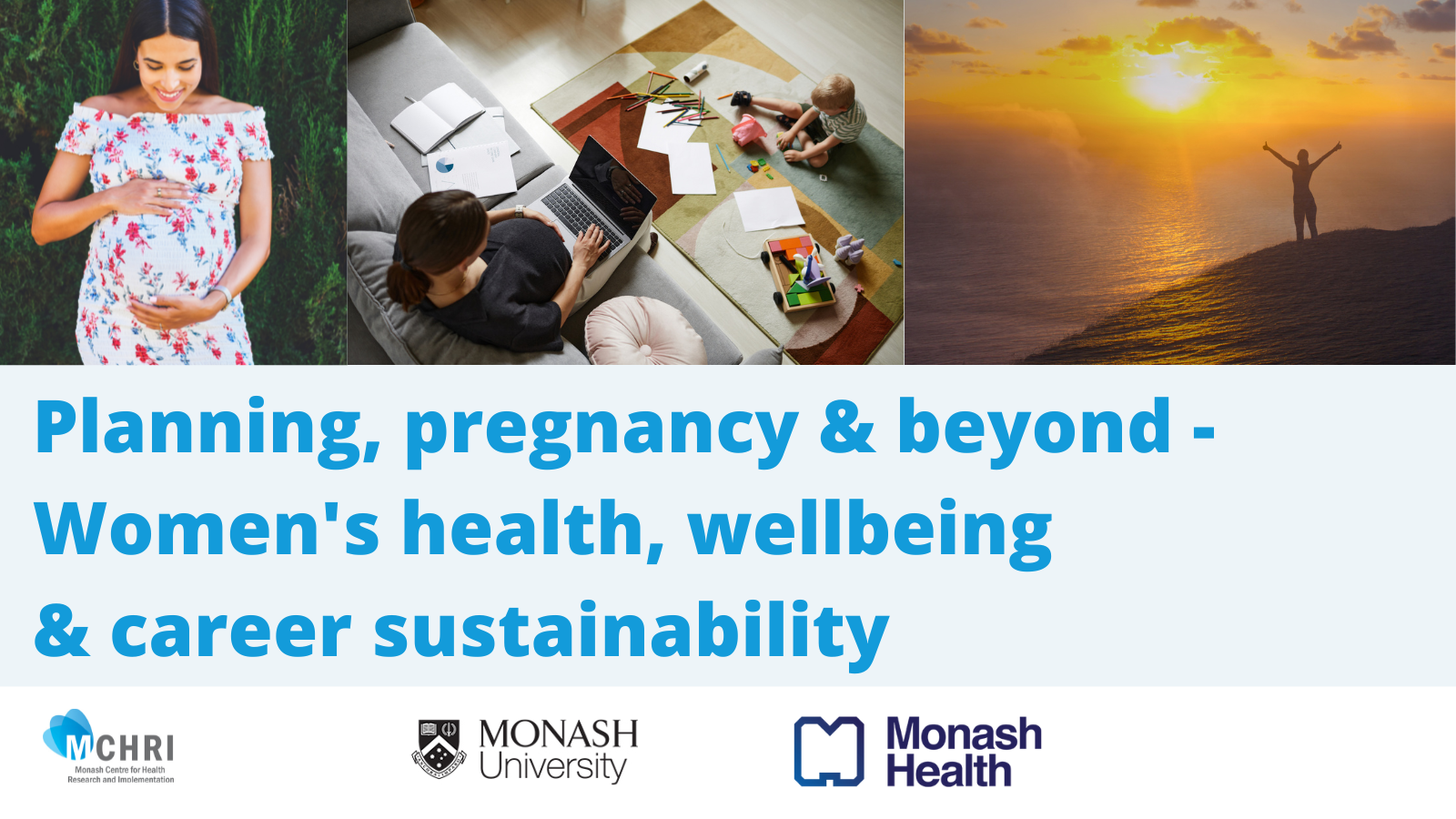
Are you considering having a family, are pregnant, or already a parent? Chances are you’re on a journey with significant changes to your health, lifestyle, and work life.

Is it time for a women’s health institute? “We can no longer fail to recognise and address the fact that inequity by gender is a major challenge in this country with key health and wellbeing impacts, especially for women,” says Prof. Helena Teede.

One in five Australian women aged 55 to 64 have high levels of mental distress associated with financial insecurity, an increase of 40 per cent in the last 20 years, according to an analysis led by Monash University.

One in five Australian women aged 55 to 64 have high levels of mental distress associated with financial insecurity, an increase of 40 per cent in the last 20 years, according to an analysis led by Monash University.
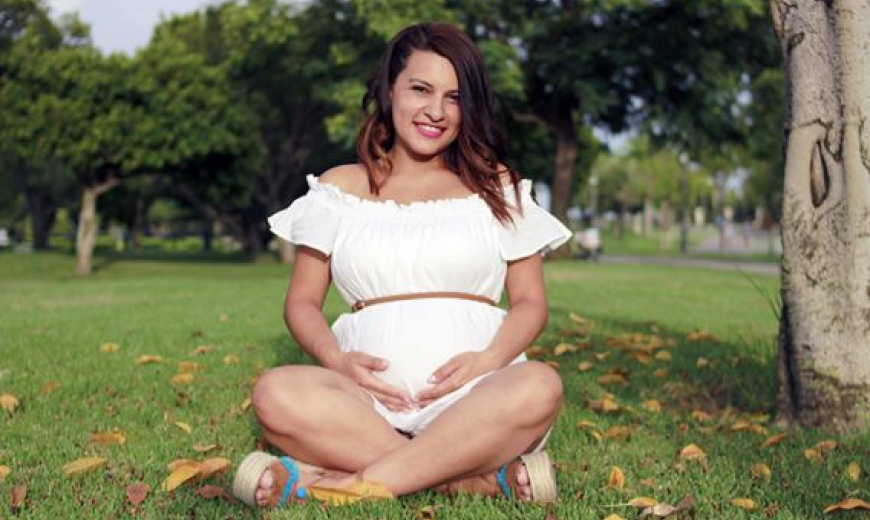
Healthy lifestyle programs in pregnancy support mums to achieve healthier pregnancies and improve health outcomes, Monash University research shows.

Most Australians reported adhering well to public health measures during the second COVID wave.

A new Learning Health System framework developed by Monash Partners and Monash University will better connect community priorities with the latest research and health professionals to improve patient care.

COVID-19 has amplified and heightened existing inequalities, particularly for women. A national collaborative evidence-based approach is vital to tackle the inequalities for women and women’s health, careers and well-being.

World Health Organisation Director General Tedros Adhanom Ghebreyesus recently said of the international COVID response that “we are all in this together, but the world is not acting like it”.